Plagiarism vs. AI Plagiarism: Understanding the Key Differences
Explore the crucial differences between plagiarism and AI plagiarism, including risks, detection, and best practices for students and educators.
Maintaining integrity in academic and professional writing has never been more complicated. With AI tools rapidly evolving, both students and educators face new challenges in understanding what truly counts as plagiarism—and how “AI plagiarism” changes the equation. Clarifying these differences and grey areas is essential for anyone invested in honest, original work.
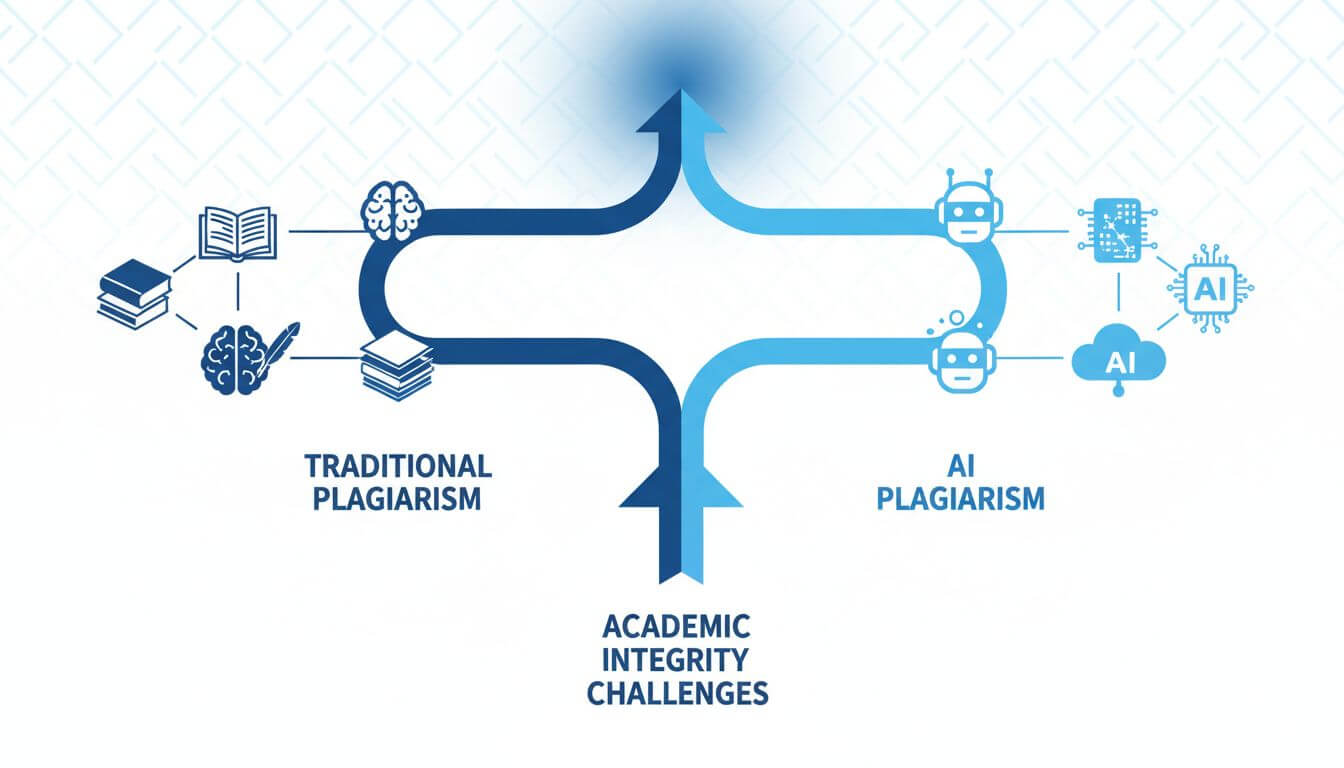
Table of Contents
- What Is Traditional Plagiarism?
- AI Plagiarism: A New Challenge
- Key Differences Between Plagiarism and AI Plagiarism
- Grey Areas and Common Misconceptions
- How Institutions Detect and Address AI-Generated Text
- FAQ
- Conclusion
What Is Traditional Plagiarism?
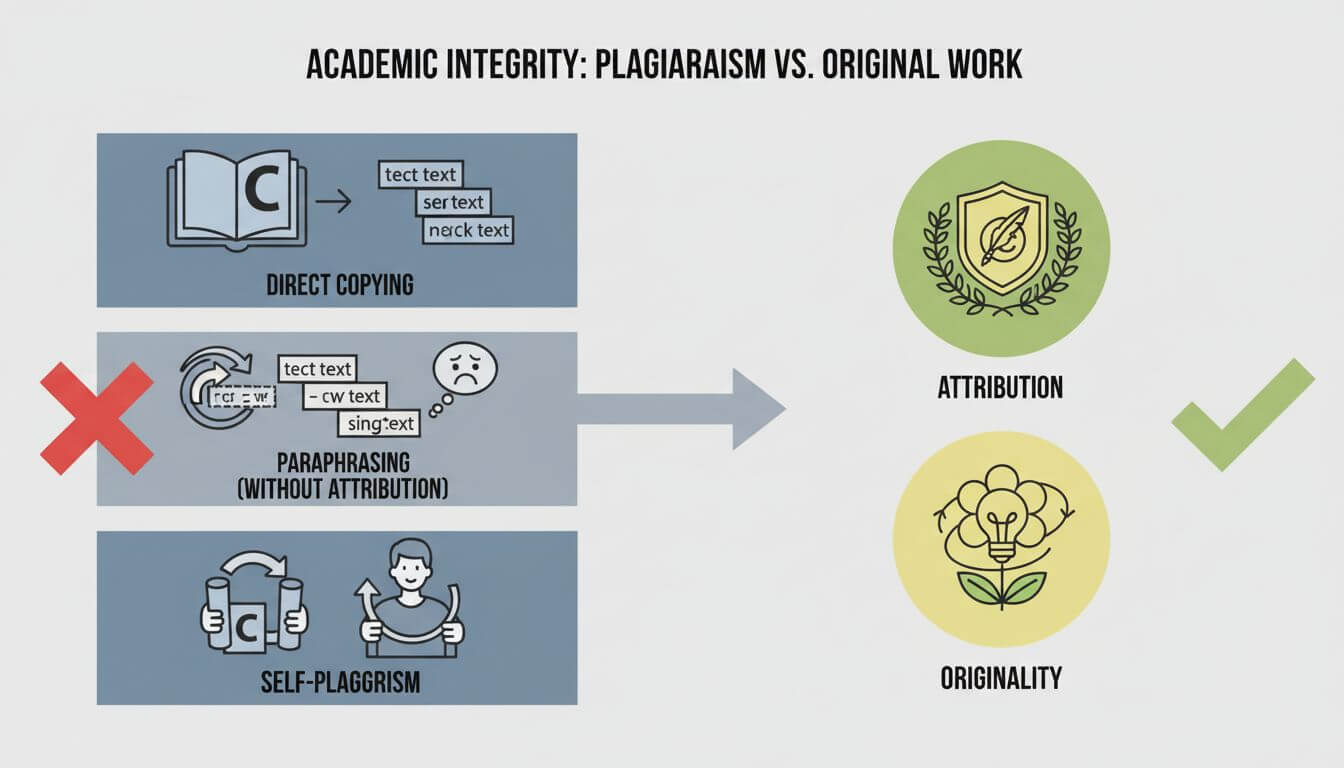
Traditional plagiarism is defined as representing someone else’s work—be it ideas, words, or research—as your own without appropriate credit. Historically, this meant copying text from books, articles, or classmates, and failing to reference the original source. The academic world has long established that the central question is who created the work? If the answer isn’t you, presenting it as your own violates academic integrity.
Forms of Plagiarism
- Direct copying: Lifting passages without citation
- Paraphrasing: Restating content in different words without giving credit
- Self-plagiarism: Submitting the same work for multiple assignments
Plagiarism remains a serious offense, regardless of whether it’s deliberate or accidental. Most institutions use plagiarism checkers to compare submissions against known texts and databases, flagging matches for instructor review.
AI Plagiarism: A New Challenge
AI plagiarism arises when generative AI tools—like ChatGPT—produce content that a user submits as their own without disclosure or approval. The complexity lies in how these systems create “original” text by blending learned patterns from vast datasets, sometimes even repeating source material verbatim or with minimal changes.
Unique Risks of AI-Assisted Writing
- Verbatim repetition: Some AI models unintentionally repeat exact phrases from their training material.
- Lack of attribution: AI rarely provides accurate or consistent citations, leading to unsupported claims.
- Fabrication: AI tools may hallucinate sources or invent references, which, if undisclosed, can amount to academic fraud.
Many institutions emphasize that undisclosed AI assistance is just as serious as copying from a person; the essential standard is that submitted work should reflect individual effort and understanding. If AI generates the text, and that fact is hidden, it typically constitutes misconduct.
Key Differences Between Plagiarism and AI Plagiarism
Though both threaten academic honesty, traditional plagiarism and AI plagiarism have crucial distinctions:
| Aspect | Plagiarism | AI Plagiarism |
|---|---|---|
| Source | Identifiable (books, websites, peers) | AI-generated, not original to student |
| Central Issue | Attribution | Authorship, originality |
| Typical Method | Copying, paraphrasing, self-plagiarizing | Relying on AI without disclosure |
| Detection | Text similarity checks | AI detectors, process investigation |
| Role of Citation | Usually resolves the violation | Often insufficient in itself |
| Misconceptions | “If I change words, it’s fine” | “If I didn’t copy, it’s fine” |
For educational institutions, the root concern with AI plagiarism is that students skip the intellectual work assignments are meant to assess. Even accidental misconduct—such as misunderstanding school rules or overestimating what’s allowed—can have serious consequences.
Grey Areas and Common Misconceptions
The boundary between acceptable AI use and misconduct can be subtle:
Common Student Mistakes
- Assuming it’s allowed if not plagiarized: Students may think that if no words are copied, the work is inherently ethical. In truth, any unapproved substitution of original effort with AI output risks violating academic integrity.
- Treating AI as a generic writing tool: While grammar and spellcheckers simply polish your words, AI tools can generate content—making them fundamentally different.
- Confusing help with substitution: Brainstorming or editing with AI can sometimes be allowed, but letting AI create, structure, or rewrite the majority of an assignment crosses the line.
- Avoiding discussion about AI use: Because AI policy varies by course and instructor, failing to clarify expectations can lead to unintentional violations.
Educators and students alike benefit from upfront, clear conversations about what support is permitted and what constitutes misrepresentation.
How Institutions Detect and Address AI-Generated Text
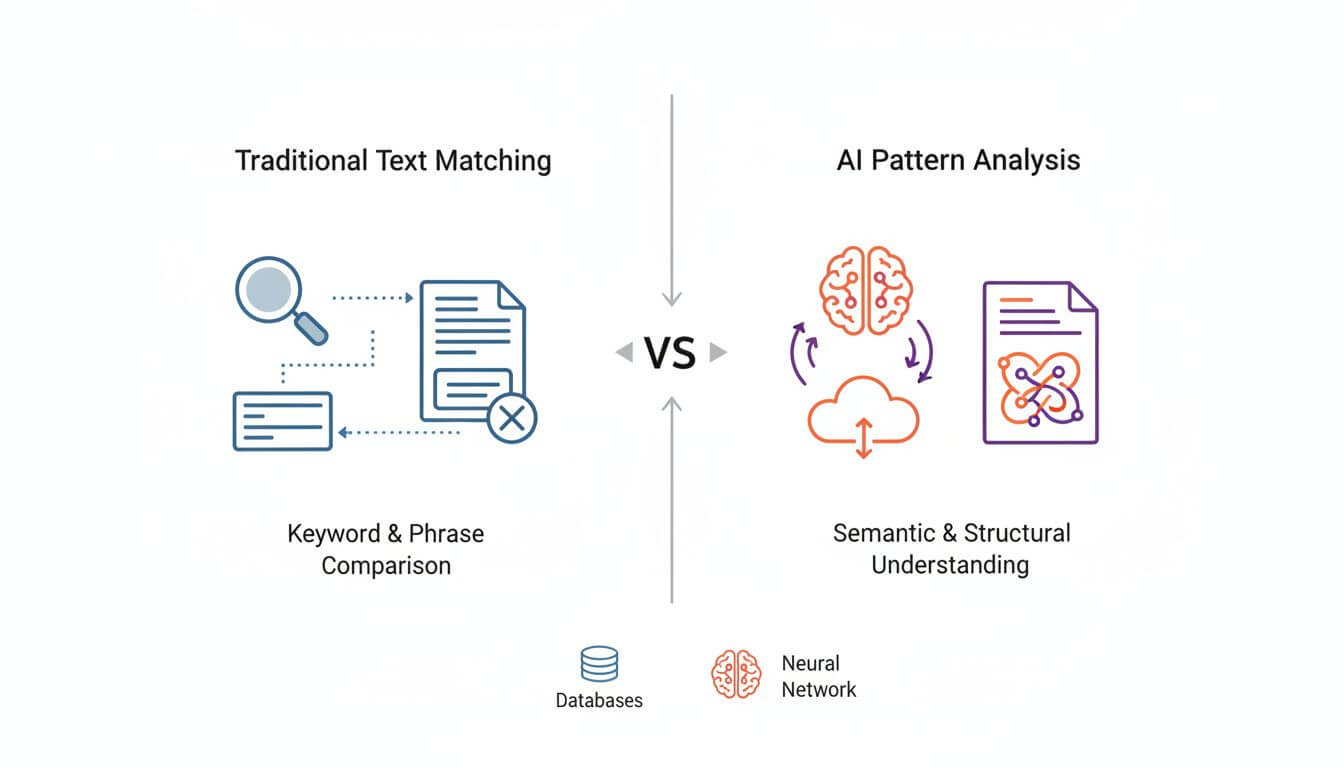
Detecting plagiarism traditionally relies on software that identifies text overlap with existing sources. With AI-generated work, detection requires more context-aware solutions:
Detection Techniques
- AI detection tools: Specialized models analyze writing for patterns typical of machine-generated text
- Process-based evidence: Instructors may review students’ writing history, voice, and process
- Holistic analysis: Combining similarity scores with sudden shifts in style, or disconnected arguments
A high similarity or AI-detection score is never a verdict by itself—human review remains essential. In some cases, students may clean AI-generated text to remove detectable watermarks or metadata, aiming to create more human-like output. However, doing this to evade academic rules is ethically problematic and rarely sustainable in the long term.
FAQ
Q: Is using ChatGPT or similar tools always considered academic misconduct? A: Not always; it depends on course policy. Using AI for minor support (like grammar) may be acceptable, but outright authorship or undisclosed substantial use generally violates academic integrity.
Q: How can students use AI ethically? A: Disclose all AI involvement, follow course/instructor guidelines, and never let AI replace your own original thinking or writing.
Q: Can proper citation resolve AI plagiarism? A: Citation helps, but if authorship is prohibited, even credited AI content may still be unacceptable.
Q: What happens if AI generates fake or “hallucinated” citations? A: Submitting fabricated references—even unintentionally—can result in serious academic penalties. Always verify information generated by AI.
Conclusion
The rise of AI writing assistants is rapidly reshaping how we think about authorship, integrity, and originality. While plagiarism and AI plagiarism share some characteristics, their core differences have a significant impact on educational practice and the expectations for honest work. For students and educators alike, upholding clarity, transparency, and open communication about AI’s role is the surest path to maintaining trust and credibility in the academic process.