How AI Tools Affect Critical Thinking: Risks and Solutions
Explore how AI tools impact critical thinking, risks for students, practical strategies, and balancing technology in learning.
As artificial intelligence (AI) rapidly integrates into our daily workflows, a crucial question emerges: Are we using these technologies to enhance our mental acuity, or are we inadvertently allowing them to erode our critical thinking skills? Recent research and ongoing debate highlight both the risks and opportunities that AI tools present for cognitive development – especially among younger users.
Table of Contents
- The AI Tools Dilemma: Opportunity vs. Risk
- Deepening Our Understanding: Research Insights
- Nurturing Human Reasoning in a Digital Age
- Practical Strategies to Preserve Thinking Skills
- FAQ
- Conclusion
The AI Tools Dilemma: Opportunity vs. Risk
The proliferation of AI-powered writing assistants, chatbots, and automated content generators has transformed how students, professionals, and creators approach information tasks. These tools simplify complex research, assist in content creation, and even check for factual accuracy. However, emerging research points to a critical caveat: “If we don’t use our critical thinking skills, we lose them.” Frequent AI tool usage, particularly by younger users, is now linked to diminished critical thinking ability.
Balancing Automation with Intellectual Effort
Tools designed to lighten workload risk replacing valuable mental processes. When AI consistently provides answers, drafts, or analysis, users might incrementally surrender independent reasoning, curiosity, and analysis. The dilemma becomes more acute for students who are developing their intellectual foundation, as excessive reliance can generate a loop of dependence – compromising the very skills these tools aim to support.
Deepening Our Understanding: Research Insights
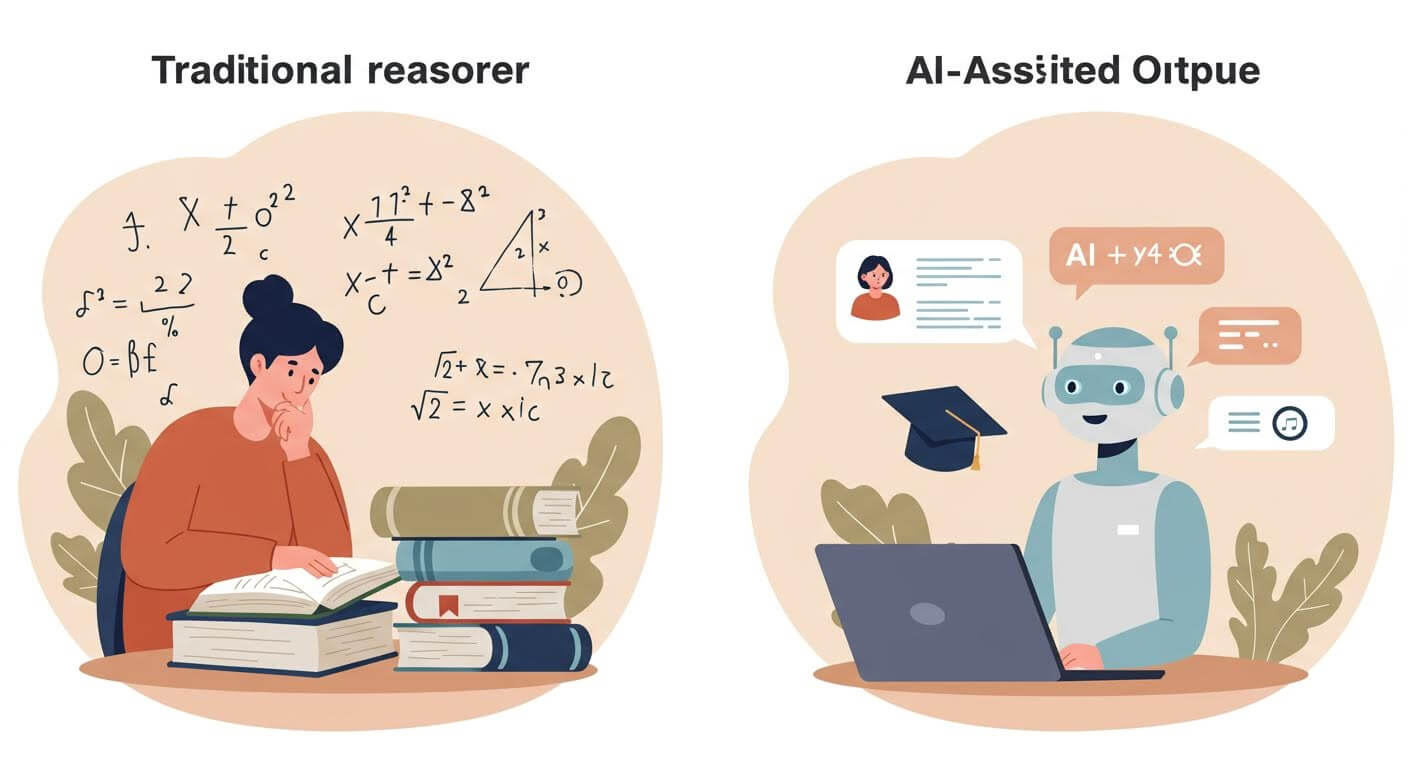
Studies, such as the work led by Michael Gerlich (SBS Swiss Business School), found a negative correlation between frequent AI tool use and critical thinking scores, especially among younger participants. Neuroscientists, like Oliver Hardt at McGill University, have described how “constant reliance on AI is killing the ability to learn how to think.”
Correlation Is Not Causation
It’s important to note that these studies highlight correlation – not direct causation. Yet the research is compelling enough to raise awareness of how AI adoption can shape the habits and cognitive pathways of those who use it most. Crucially, the people most dependent on AI output (often younger or less experienced users) are also least equipped to critically evaluate that output. This amplifies the risk that AI dependency slowly atrophies their ability to reason and analyze on their own.
Nurturing Human Reasoning in a Digital Age
So, how can educators, students, and professionals harness AI’s benefits without sacrificing intellectual development?
Treat AI as a Sparring Partner – Not an Oracle
Rather than accepting AI-generated output at face value, users should engage these tools as “intellectual sparring partners.” This means pushing for evidence, asking for alternative views, and looking for logical gaps. Students and professionals alike can treat AI responses as hypotheses to be verified, not gospel to be repeated. This active engagement cultivates mental flexibility and preserves the autonomy of human thought.
Practical Strategies to Preserve Thinking Skills
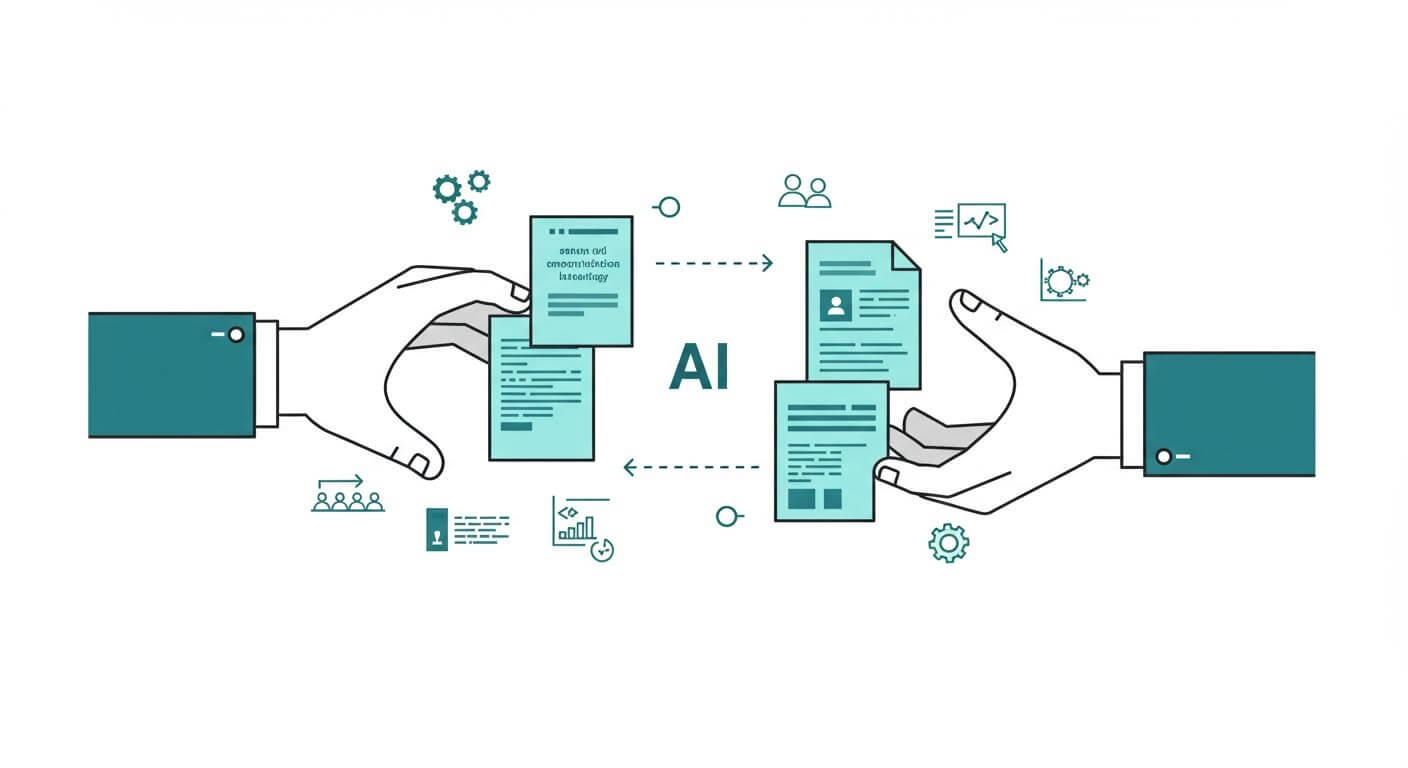
Maintaining a healthy relationship with AI tools is not about avoidance, but about balance and intentionality. Here are some practical tips:
1. Gradual Exposure Rather Than Immediate Immersion
For educators, it’s essential to expand student access to AI capabilities gradually, in tandem with their verified ability to question, interpret, and critique generated text.
2. Emphasize Verification and Validation
Encourage everyone to verify AI-produced insights against reputable sources, or through independent reasoning, before incorporating them.
3. Implement Digital Hygiene Practices
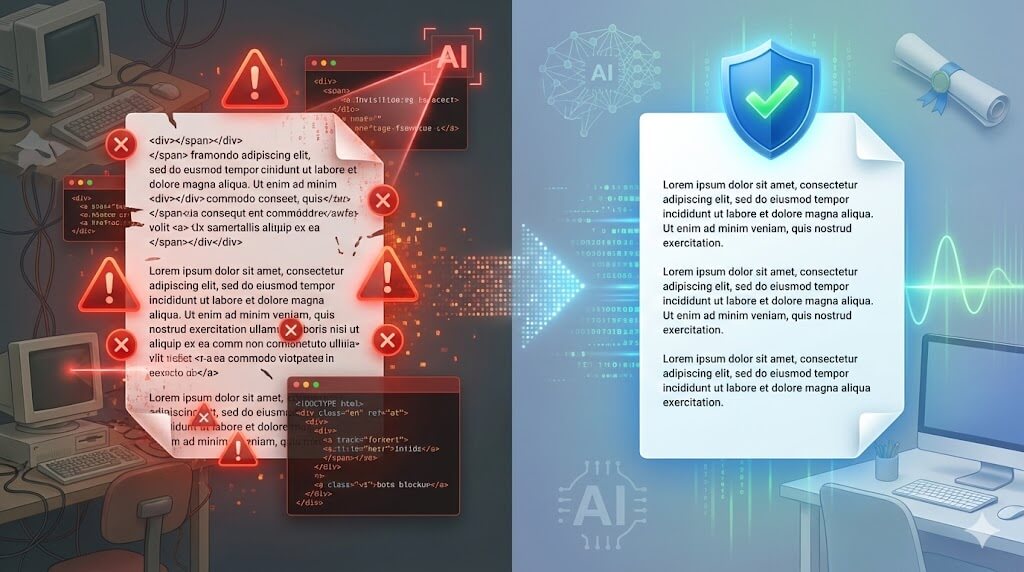
Regularly cleansing digital texts for hidden metadata and AI watermarks can be part of a broader digital literacy curriculum. Tools such as Clean Paste (a free AI text cleaner that removes watermarks and invisible characters) may support academic integrity and informed text usage, alongside other verification services.
4. Foster Open Discussion on AI’s Role
Invite students and teams to discuss how certain tasks are delegated to AI and which ones are best preserved for human intellect, reinforcing self-awareness about cognitive habits.
FAQ
How can I tell if AI is eroding my critical thinking skills?
Watch for signs of dependence: Do you habitually accept AI-generated answers without questioning logic or sources? Are you spending less time formulating your own ideas?
Are all AI tools equally risky for thinking skills?
Not necessarily. Tools that support brainstorming, research, or editing can be safe if you actively engage with their output, challenge assumptions, and contribute original input.
What practices help maintain my analytical abilities?
Pause before using AI for routine tasks. Try answering or analyzing first, then compare your own response with AI’s, looking for differences and gaps. Use AI as a feedback mechanism, not as the sole authority.
Conclusion
AI tools offer immense productivity and creativity gains, but their unchecked use may reduce our intellectual engagement. Striking a balance between leveraging technology and nurturing critical thinking is vital for both individual growth and societal progress. As the field evolves, thoughtful integration will empower users to remain active, discerning thinkers – not passive consumers of algorithmic output.
If you need to remove AI watermarks or invisible text from your writing, Clean Paste provides a free solution to help maintain natural human tone and support your digital literacy journey.